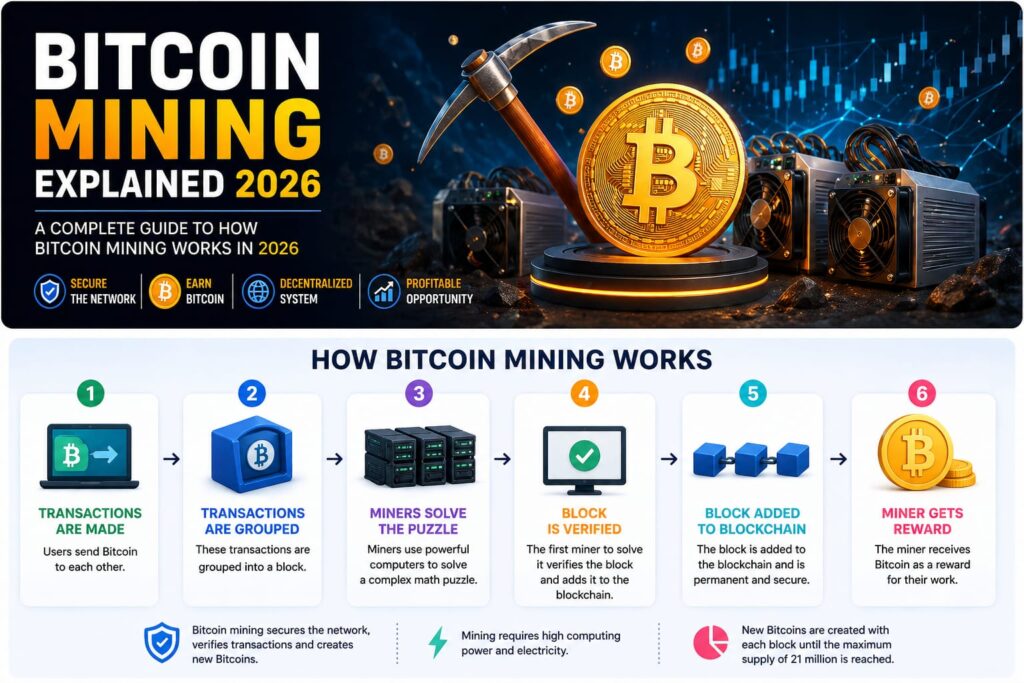
Cryptocurrency transactions are not completely free. When you send digital assets like Ethereum or Bitcoin, you usually need to pay a small transaction fee known as a crypto gas fee.
Gas fees are an essential part of blockchain networks because they help process transactions and maintain the security of decentralized systems. These fees are paid to miners or validators who verify transactions and add them to the blockchain.
Understanding crypto gas fees is important for anyone using cryptocurrency in 2026, especially beginners who want to avoid paying high fees while transferring digital assets.
If you want to buy or sell crypto, you first need to understand how a crypto exchange works. https://coinalert.in/what-is-crypto-exchange-and-how-does-it-work-in-2026/
What Are Crypto Gas Fees
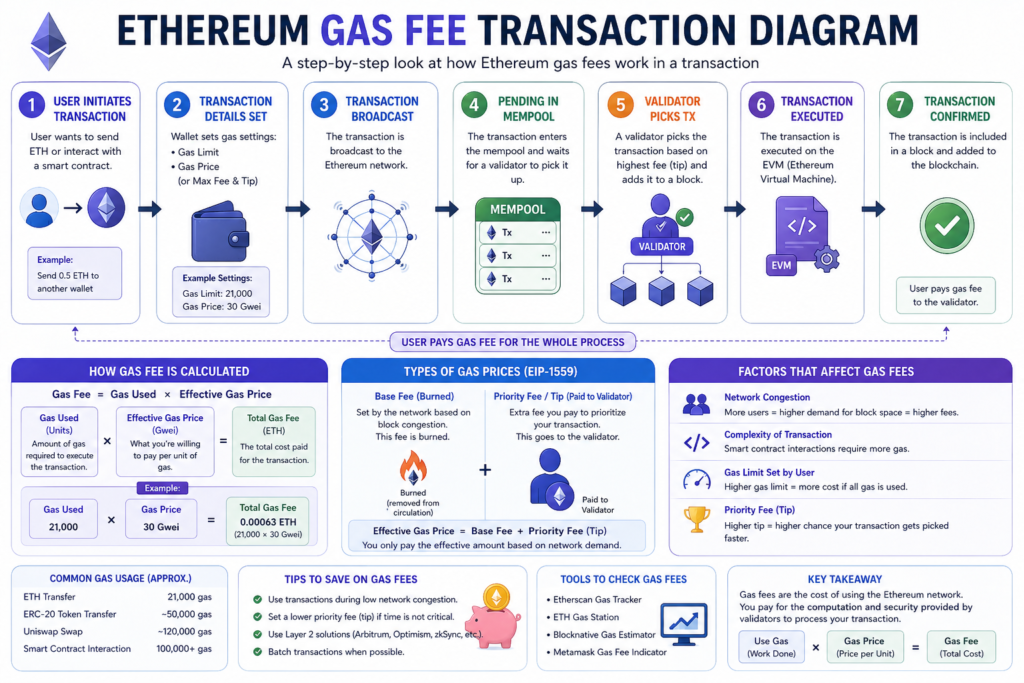
Crypto gas fees are transaction fees that users pay to complete transactions on a blockchain network.
Whenever someone sends cryptocurrency, the transaction must be verified by network participants. These participants are rewarded with transaction fees for confirming transactions and securing the blockchain.
Gas fees are commonly associated with the Ethereum network, where they are used to power smart contracts and decentralized applications.
These fees are measured in units called Gwei, which represent small fractions of Ether.
To understand blockchain transactions, you must first know what cryptocurrency is. https://coinalert.in/what-is-cryptocurrency/
Why Gas Fees Exist in Blockchain
Gas fees serve several important purposes in blockchain networks.
First, they compensate miners or validators for the computational work required to verify transactions.
Second, gas fees help prevent spam transactions. If transactions were free, attackers could flood the network with millions of fake transactions.
Third, they prioritize transactions. Users who pay higher gas fees can have their transactions processed faster.
This system keeps blockchain networks efficient and secure.
If you want to understand the technology behind blockchain transactions, read our guide on blockchain explained. https://coinalert.in/what-is-blockchain/
Why Gas Fees Change Frequently
Crypto gas fees are not fixed. They change depending on network demand.
When many users are sending transactions at the same time, gas fees increase because more people are competing for limited block space.
During periods of heavy activity, fees on the Ethereum network can rise significantly.
For example, when NFT marketplaces or decentralized finance platforms experience high activity, gas fees often increase.
When network demand is low, transaction fees usually become cheaper.
According to the official Bitcoin documentation, transactions are verified by nodes on the blockchain. https://bitcoin.org/en/how-it-works
How to Reduce Crypto Gas Fees
Crypto users can reduce gas fees by choosing the right time to make transactions. When the network is less congested, transaction fees are usually lower. Many traders also use layer-2 solutions or alternative blockchains to avoid high costs. Monitoring gas prices before sending a transaction can help users save money.
How to Reduce Crypto Gas Fees
Many crypto users try to minimize transaction fees when transferring digital assets.
Here are some ways to reduce gas fees:
Use the network during low activity periods
Choose lower transaction priority
Use Layer 2 blockchain solutions
Transfer larger amounts instead of multiple small transactions
Learning how to manage gas fees can help users save money when sending cryptocurrency.
If you are new to cryptocurrency, you can also read our beginner guide on how to buy Bitcoin safely. https://coinalert.in/how-to-buy-bitcoin-in-2026-step-by-step-guide-for-beginners/
Gas Fees vs Transaction Fees
Many beginners confuse gas fees with transaction fees.
In reality, they are closely related but slightly different.
Transaction fees are the general cost required to send cryptocurrency.
Gas fees specifically refer to the computational cost required to process operations on networks like Ethereum.
Both serve the same main purpose: compensating network participants who validate transactions.
You can learn more about cryptocurrencies on educational platforms like CoinMarketCap. https://coinmarketcap.com/alexandria
Conclusion
Crypto gas fees play a crucial role in maintaining blockchain networks. They reward validators, prevent network spam, and help prioritize transactions.
Although gas fees may sometimes seem expensive, they are necessary for keeping decentralized systems secure and efficient.
As cryptocurrency adoption continues to grow in 2026, understanding how gas fees work will help users make smarter decisions when sending digital assets.
Blockchain technology is explained in detail by financial education websites like Investopedia. https://www.investopedia.com/terms/b/blockchain.asp
Also Read
Ethereum Gas Fees ExplainedWhat Is Layer 2 in Crypto
What Is Blockchain
Also Read
Ethereum Gas DocumentationWhat Are Gas Fees
FAQ
What are crypto gas fees?
Crypto gas fees are transaction fees paid by users to process transactions on blockchain networks like Ethereum.
Why are gas fees sometimes high?
Gas fees increase when the network is busy and many users are competing to have their transactions processed.
Can crypto gas fees be avoided?
Gas fees cannot be completely avoided, but users can reduce them by choosing lower priority transactions or using Layer 2 solutions.
Which cryptocurrency has the lowest transaction fees?
Some cryptocurrencies such as Litecoin and Solana are known for having relatively low transaction fees.
Why do crypto transactions require gas fees?
Gas fees help prevent spam transactions and reward validators who maintain the blockchain network. Without fees, blockchain networks could become overloaded.
Are gas fees the same on every blockchain?
No. Gas fees vary by blockchain. Ethereum usually has higher gas fees, while networks like Polygon, Arbitrum, and Base often offer lower transaction costs.
Why are Ethereum gas fees sometimes so high?
Ethereum gas fees increase when network demand is high. More users competing for block space can push transaction costs higher.
How can I reduce crypto gas fees?
You can reduce gas fees by using Layer 2 networks, transacting during low-traffic periods, or choosing blockchains with lower transaction costs.
What is Gwei in Ethereum?
Gwei is a small unit of Ether (ETH) used to measure Ethereum gas fees. Gas prices are typically displayed in Gwei.
Do Bitcoin transactions have gas fees?
Bitcoin does not use the term “gas fees,” but users still pay transaction fees to miners for confirming transactions on the Bitcoin network.
Which blockchains have the lowest gas fees?
Networks such as Polygon, Arbitrum, Optimism, Base, and BNB Chain generally offer lower transaction fees compared to Ethereum mainnet.
join our Telegram for instant crypto updates.
Subscribe to our youtube Channel
For detailed crypto market analysis, price predictions, and investment strategies,
subscribe to our YouTube channel Coin Alert
For more beginner-friendly crypto education, in-depth guides, and documentary-style crypto stories, visit Coin Alert regularly.
🌐 Website: https://coinalert.in
📢 Telegram: https://t.me/coinalert
🎥 YouTube: Coin Alert
Stay informed. Stay secure. Learn before you invest.

Dr. Khushwant Rana is the founder of Coin Alert and has 15+ years of business experience. He creates beginner-friendly crypto educational content focused on Bitcoin, blockchain, Web3, crypto security, and real-world crypto awareness in India.